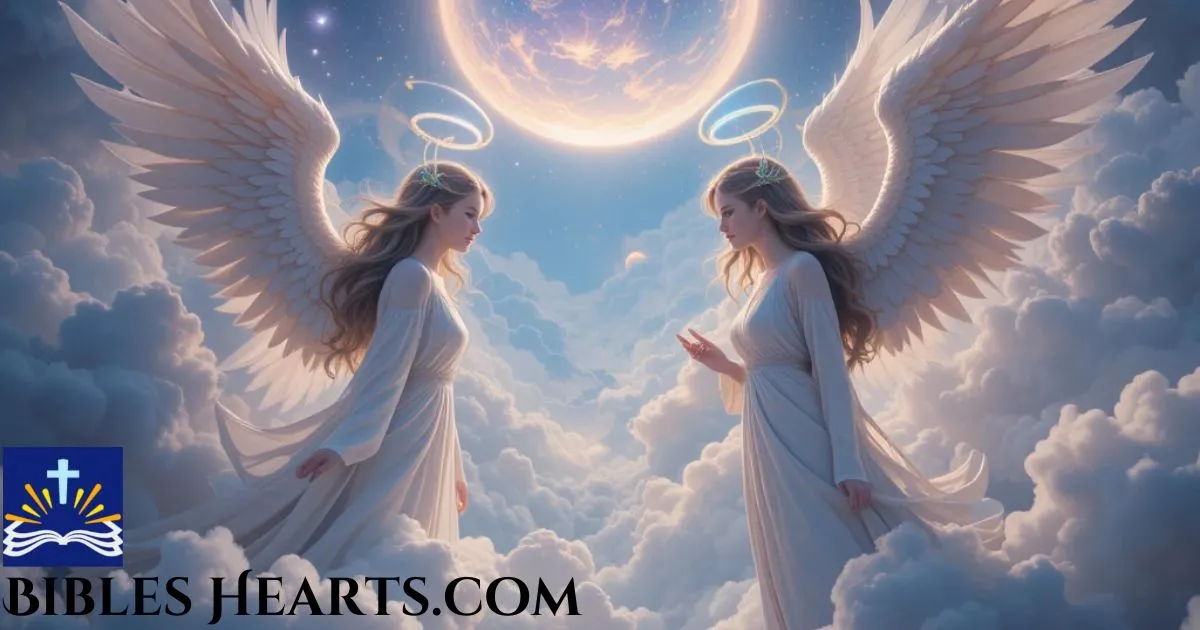
“What do angels really look like? The truth behind their appearance may surprise you!”
Angels have captivated human imagination for centuries, often depicted with wings and halos in art and scripture. But the reality of their true form might be far more mysterious than we realize.
Angels are messengers, divine beings that bridge the gap between the earthly and the heavenly. But what does the biblical description of angels reveal about their appearance?
“Curious about what angels really look like? Discover the truth behind their appearances and explore different interpretations from religious texts and culture.”
Some say they look like ordinary people, while others believe they possess a more otherworldly glow. In this article, we’ll dive into the historical, religious, and cultural accounts of angelic forms, shedding light on what these heavenly creatures might truly look like based on ancient texts and modern interpretations.
What Do Angels Look Like According to the Bible?
The Bible offers angel descriptions that are far different from the typical angel wings and human-like images we often imagine. In fact, the Bible doesn’t focus much on the angelic beauty we associate with these divine messengers. Instead, it speaks of heavenly beings appearance that can be overwhelming and mysterious.
1. Angels Are Often Described as Glowing Beings
Angels in the Bible are often described as bright, glowing figures. This angelic vision experience shows their connection to light and the divine. The biblical accounts of angels, such as the ones in the Book of Daniel, depict them as radiating light, which signifies their purity and their connection to God.
2. Heavenly Beings with Multiple Wings
While we think of angels having two wings, the Bible describes different types of angels with multiple wings. Cherubim and Seraphim, for example, are depicted with six wings—two covering their faces, two covering their feet, and two for flying. These angelic forms emphasize their divine nature and distance from earthly beings.
3. Angelic Eyes and Their Piercing Gaze
The eyes of angels in biblical descriptions are often said to be sharp, intense, and penetrating. Their angelic gaze symbolizes the clarity and wisdom they bring from heaven. The visionary experiences in the Bible often involve angels whose eyes hold a mysterious power, suggesting a deep understanding of God’s will.
4. Encounters with Angels Are Often Terrifying
While we often think of angels as serene and gentle, biblical angels can be terrifying to behold. In many stories, individuals fall to their knees in fear when encountering angels. This reaction shows that angels are divine messengers, not just supernatural beings, and their presence is powerful and awe-inspiring.
5. Angels Can Appear as Men
In some biblical instances, angels appear as human-like beings, taking on the appearance of men. This phenomenon is seen in the story of Lot and the two angels visiting Sodom, where the angels look entirely human. This angelic form serves to show how angels can adapt to different situations and communicate with people.
6. Archangels Appearance in Religious Texts
Archangels, like Michael and Gabriel, hold a prominent position in the Bible. They are depicted as powerful beings with a warrior-like appearance. Their angelic beauty is seen not just in their angelic energy but in the roles they play in guiding and protecting humanity.
7. Symbolism of Wings
In the Bible, wings often represent freedom and the ability to travel between heaven and earth. Angel wings are symbolic of the angel’s role as divine messengers, carrying messages between God and humankind. These wings are not just physical but metaphorical, symbolizing grace and divine authority.
8. Angels in Christianity: The Emphasis on Service
In Christianity, angels are seen primarily as servants of God. Their angelic presence is meant to serve and protect God’s people. Their angelic energy is not for self-glory but is meant to fulfill divine commands.
9. Angels as Protectors
The Bible frequently describes angels as protectors of individuals or nations. These guardian angels are divine beings who intervene on behalf of people, safeguarding them from harm. Their angelic form in these moments is often seen as a reflection of their protective power.
10. Depictions of Angels in Art and Culture
Over time, angel depictions in art have evolved, often depicting angels in a serene, peaceful light. However, the biblical angels described in scripture are far more complex, sometimes described as terrifying or mysterious figures.
What Do Cherubim, Seraphim, and Other Angels Look Like?
Cherubim and Seraphim are not the traditional angel forms that we envision with halos and wings. These unique celestial beings have distinctive features that set them apart from other angels.
1. Cherubim: Guardians of Heaven
Cherubim are often depicted as guardians, especially of sacred spaces. In the Bible, they are described as having multiple wings and faces—sometimes a human face, a lion, an ox, or an eagle. These faces represent different aspects of God’s creation.
2. Seraphim: Beings of Fire
The Seraphim are another angelic form described in the Bible as beings of fire. They are known for their intense angelic energy and their role in worshiping God. They are depicted with six wings, and their primary function is to continuously praise God.
3. The Angel Wings Symbolize Movement
Both Cherubim and Seraphim emphasize the symbolism of wings, which represent their ability to swiftly move through realms. These angels are not just static figures but are highly active, serving specific divine functions.
4. Angelic Presence in Sacred Texts
Cherubim are prominently featured in sacred spaces, such as the Ark of the Covenant. Their angelic presence is meant to protect and sanctify holy objects and locations, further emphasizing their role as guardians.
5. Other Angels: Diverse Appearances Across Texts
In addition to Cherubim and Seraphim, the Bible mentions other angelic forms that play various roles. These angels can take on many appearances, from humans to mysterious beings with multiple eyes and wings.
6. Spiritual Beings, Not Physical
The Bible emphasizes that angels are spiritual beings with supernatural abilities. While they may take on physical forms in certain instances, their true nature is non-material and represents the power of divine will.
7. Angelic Beauty and Glory
The beauty of angels is often described as indescribable, with their forms shining with divine glory. Their angelic beauty is a reflection of God’s greatness and purity, showcasing the heavenly realm’s radiance.
8. Angelic Myths and Their Influence
Throughout history, angelic myths have arisen around the different depictions of angels, with stories that differ across cultures. Some of these myths describe angels as more human-like, while others give them more supernatural and otherworldly features.
9. Angels in Various Religions
The appearance of angels varies across religions. In Christianity, angels are seen as messengers of God, but in other religions like Islam, angels play different roles and may have different forms. For instance, Islamic angels are described as having wings and being made of light.
10. Spiritual Energy and Divine Messengers
Angels are believed to carry messages from the divine realm. Their angelic energy allows them to communicate God’s will to humans, often guiding and protecting believers.
What Do Angels Do and Why It Matters
Angels have important roles in religious texts and angelic myths, serving as divine messengers, protectors, and symbols of light. Understanding their purpose helps us better appreciate their significance in our spiritual lives.
1. Angels as Messengers of God’s Will
Angels are primarily seen as divine messengers. Their angelic energy allows them to communicate God’s messages to humans. These messages often include guidance, warnings, or blessings.
2. Guardian Angels Protect Us
Many people believe in the presence of guardian angels, sent to protect and guide them through life. These angels are thought to shield individuals from harm and lead them on the right path.
3. Angels in Christianity: Agents of God’s Will
In Christianity, angels act as agents of God’s will, carrying out divine orders. They help fulfill God’s plan for the world, often intervening in human affairs at pivotal moments.
4. Angel Symbolism in Religious Traditions
Angels serve as symbols of spiritual connection. Their angelic forms and roles in religious stories symbolize God’s presence and guidance in the world.
5. The Role of Angels in Dreams
Many people believe that angels appear in dreams, offering messages or guidance. Angels in dreams are thought to communicate divine wisdom during moments of reflection.
6. Angels as Symbols of Hope and Comfort
In times of hardship, angels are often seen as symbols of hope and comfort. They provide reassurance that divine protection is always near.
7. Angelic Encounters in History
Throughout history, people have reported angel encounters where they felt the divine presence of angels. These experiences often lead to life-changing realizations and transformations.
8. Angels in Popular Culture
Angels are a common motif in popular culture, often depicted as heavenly beings with angel wings. These portrayals have shaped our collective understanding of angels in both sacred and secular contexts.
9. Angelic Energy and Light
Angels are often associated with light, symbolizing purity, goodness, and divine energy. Their presence is said to illuminate dark situations and guide people toward clarity.
10. Angels in Different Cultures and Their Roles
Different cultures have different interpretations of angels, yet all agree on their role as messengers of the divine. Their forms and appearances may differ, but their essence remains constant: to guide, protect, and inspire.
Key Insight
1. What Do Angels Look Like According to Religious Texts?
Answer: Angels are often described as radiant beings full of light, and their appearance varies in religious texts. In the Bible, they are often portrayed with wings and sometimes multiple faces or eyes. They typically appear in human-like forms but can have extraordinary features like glowing bodies or fiery eyes. Their appearance emphasizes their divine nature and otherworldly role.
2. What Are the Different Types of Angels?
Answer: In the Bible, angels are categorized into different types based on their duties and appearances. Some notable examples include Cherubim, Seraphim, and Archangels. Cherubim have four wings, while Seraphim are described with six wings. Archangels, like Michael and Gabriel, are often depicted as powerful warriors and messengers of God.
3. Do Angels Have Wings?
Answer: Yes, many angelic beings are depicted with wings. In biblical descriptions, Cherubim and Seraphim have wings, symbolizing their ability to move swiftly between heaven and earth. The wings are also seen as a symbol of their divine authority and purity, as well as their role in protecting and guiding.
4. What Do Angels Do?
Answer: Angels are divine messengers tasked with delivering God’s will to humans, guiding individuals, and protecting them. They also serve as intermediaries between God and humanity, offering comfort, encouragement, and sometimes warnings. Their duties range from ministering to people to carrying out God’s judgments.
5. What Do Angels Look Like in Popular Culture?
Answer: In popular culture, angels are often depicted as beautiful, ethereal beings with glowing skin, majestic wings, and halos. These depictions are often inspired by religious texts but are more stylized to represent an idealized, peaceful image of angels. However, popular culture sometimes portrays them as warriors or even fallen angels with darker, more intimidating features.
Conclusion
In conclusion, the appearance of angels varies significantly across different religious texts and cultural depictions. While Biblical angels are often described as radiant, winged beings with divine power, other depictions present angels in human-like forms or as majestic celestial entities.
Whether they are glowing figures of light or powerful warriors, angels symbolize the divine will and serve as messengers of hope, guidance, and protection. Their appearance is meant to emphasize their otherworldly nature and connection to the divine, inviting reverence and awe.
Understanding the truth behind what angels really look like reveals more about their role in our lives and their symbolic presence in various religions and cultures.

Hi! I’m Isabel, a passionate writer who loves exploring the beauty of everyday life through heartfelt stories and vibrant poetry.